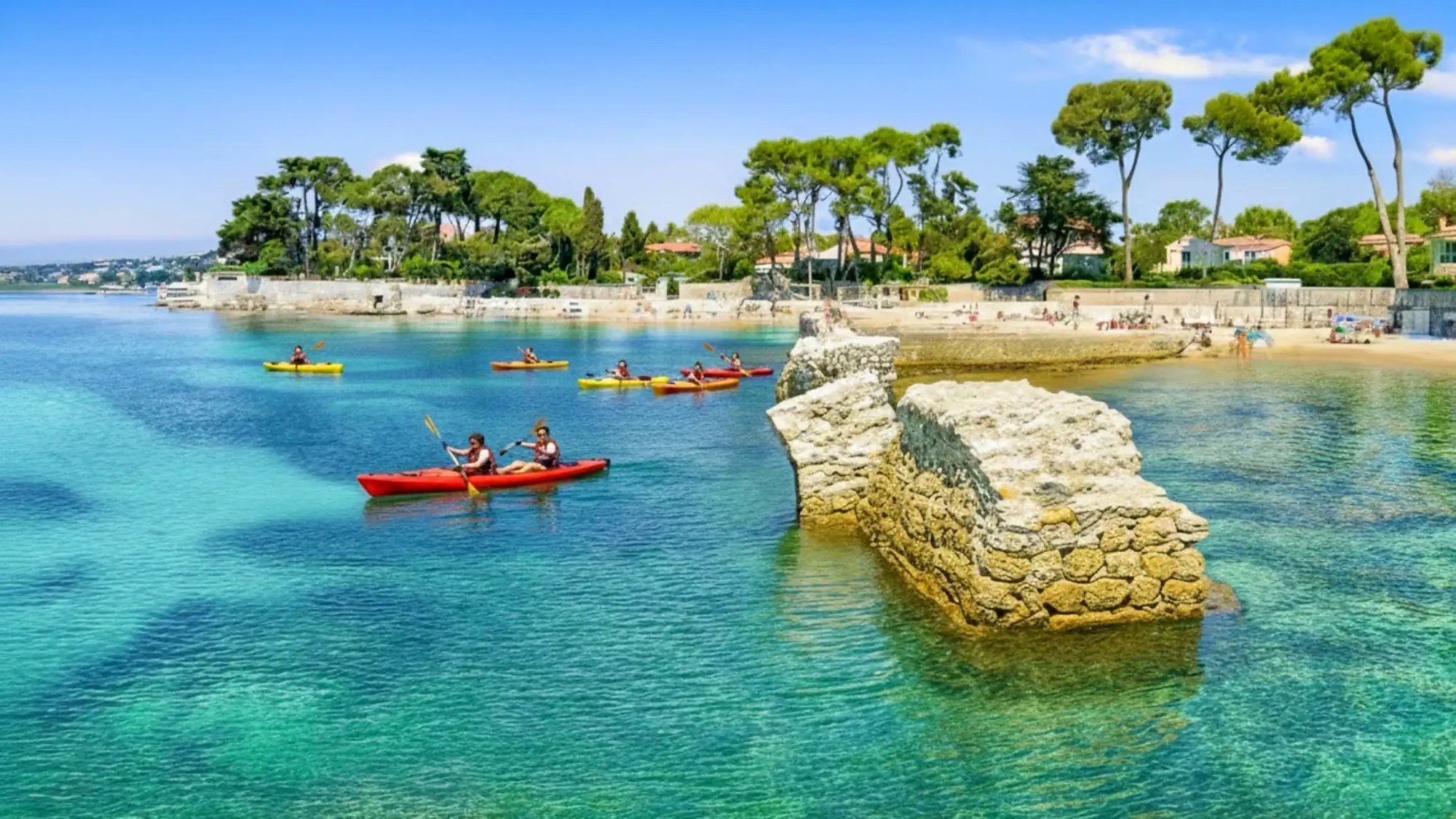
Water Sports in Juan-les-Pins: Waterski, SUP, Kayak & More
In Juan-les-Pins you can go waterskiing and wakeboarding (the resort bills itself as the European birthplace of the sport), paddleboard and kayak across the bay, snorkel and dive around Cap d'Antibes, and try motorized thrills — jet skis, towed inflatables, parasailing — run by seasonal watersports bases.
The bay of Juan is wide, sheltered from easterly winds by Cap d'Antibes and lined with sand: an ideal place to learn. But what's on offer changes from one season to the next, and some bases have recently closed. Here's what you need to know before you book.
Waterskiing: a story that began in the bay
Juan-les-Pins claims the title of "birthplace of waterskiing." According to the regional tourism board, it was in 1931 that Léo Roman from Nice — a former boxer turned ski instructor — first tried gliding across the water behind a boat. With his Norwegian friend Emil Petersen, he put on demonstration after demonstration in the bay and made the sport popular. In 1949, Juan-les-Pins hosted the first World Waterski Championships.
To be fair, Americans credit the invention to Ralph Samuelson, who skied on Lake Pepin (Minnesota) as early as 1922. So Juan-les-Pins is better described as the place where waterskiing was born in Europe and first caught the public's imagination.
Where to go waterskiing today
A waterski club operates from the beach of the Hôtel Belles Rives, on boulevard Édouard-Baudoin . On the other hand, the historic watersports base at Garden Beach, known for waterskiing and parasailing, announced in spring 2026 that it was closing, according to the boating press. Before you go, check which operators are open on the "Sport" listings of the Antibes Juan-les-Pins tourist office.
Paddleboarding and kayaking: exploring the bay under your own steam
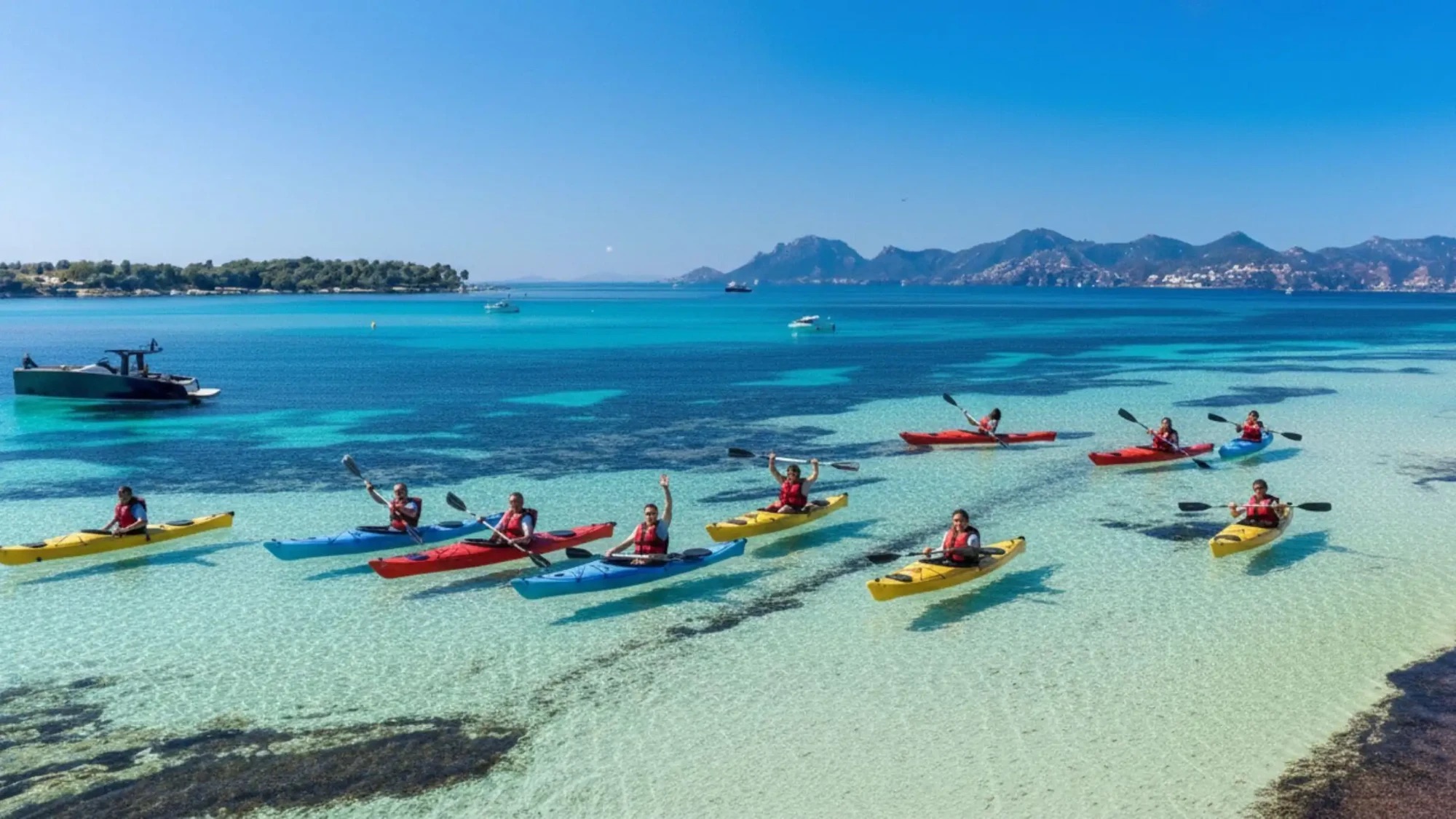
Stand-up paddleboarding (SUP) and kayaking are the easiest activities to try in Juan. In the morning, before the afternoon sea breeze kicks in, the bay is often as smooth as a lake, with the Esterel silhouetted to the west.
A few rules to know:
- The 300-meter zone. A rental paddleboard or short kayak counts as a "beach craft": it must stay within 300 meters (about 1,000 ft) of a shelter, during daylight.
- Buoyed channels. You launch and land through the channels marked by buoys, which are reserved for watercraft. Swimming zones are off-limits to any craft.
- The wind. An offshore breeze can push you away from the shore without you noticing. If you're struggling to get back, stay on your board and wave for help.
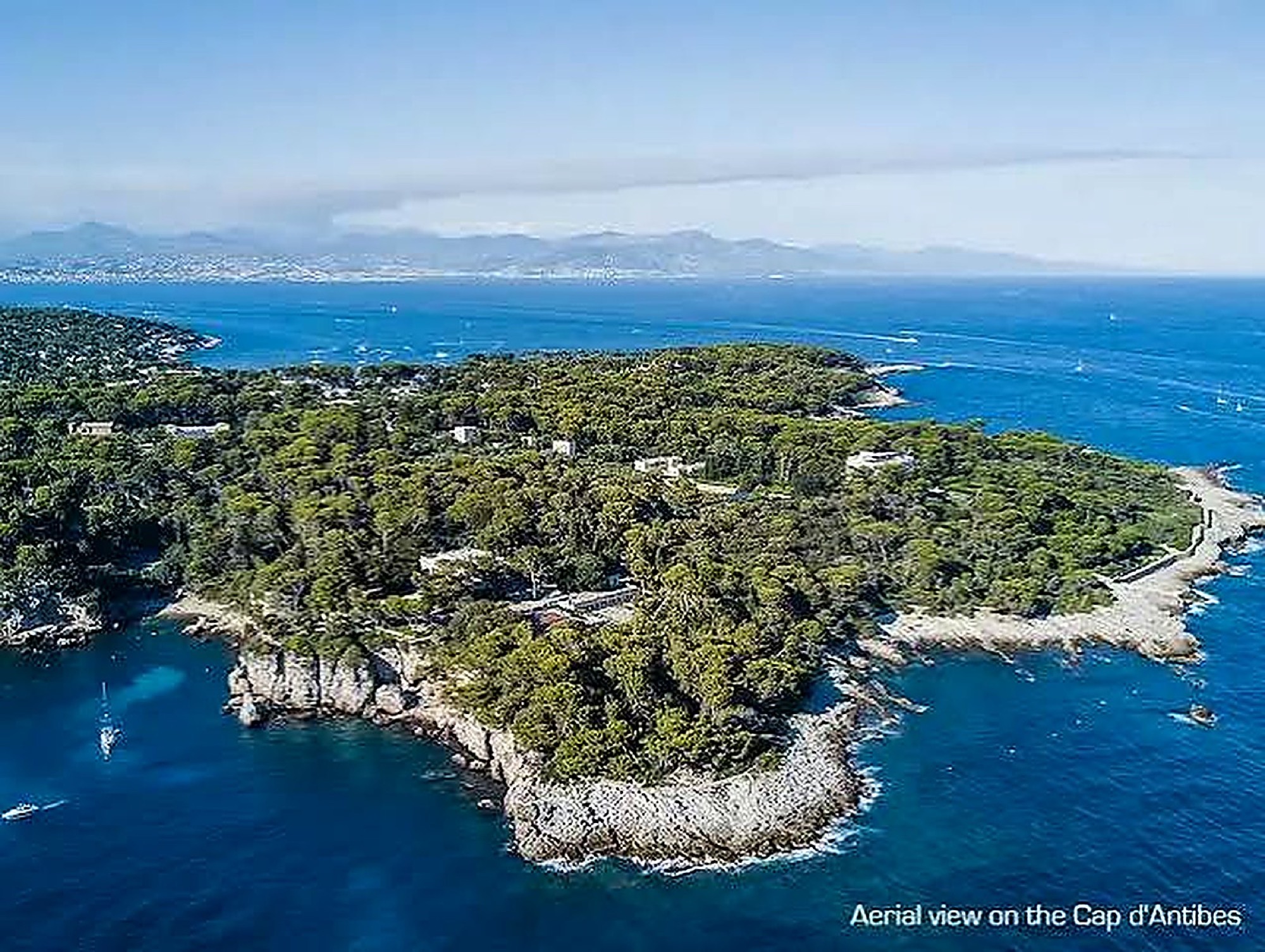
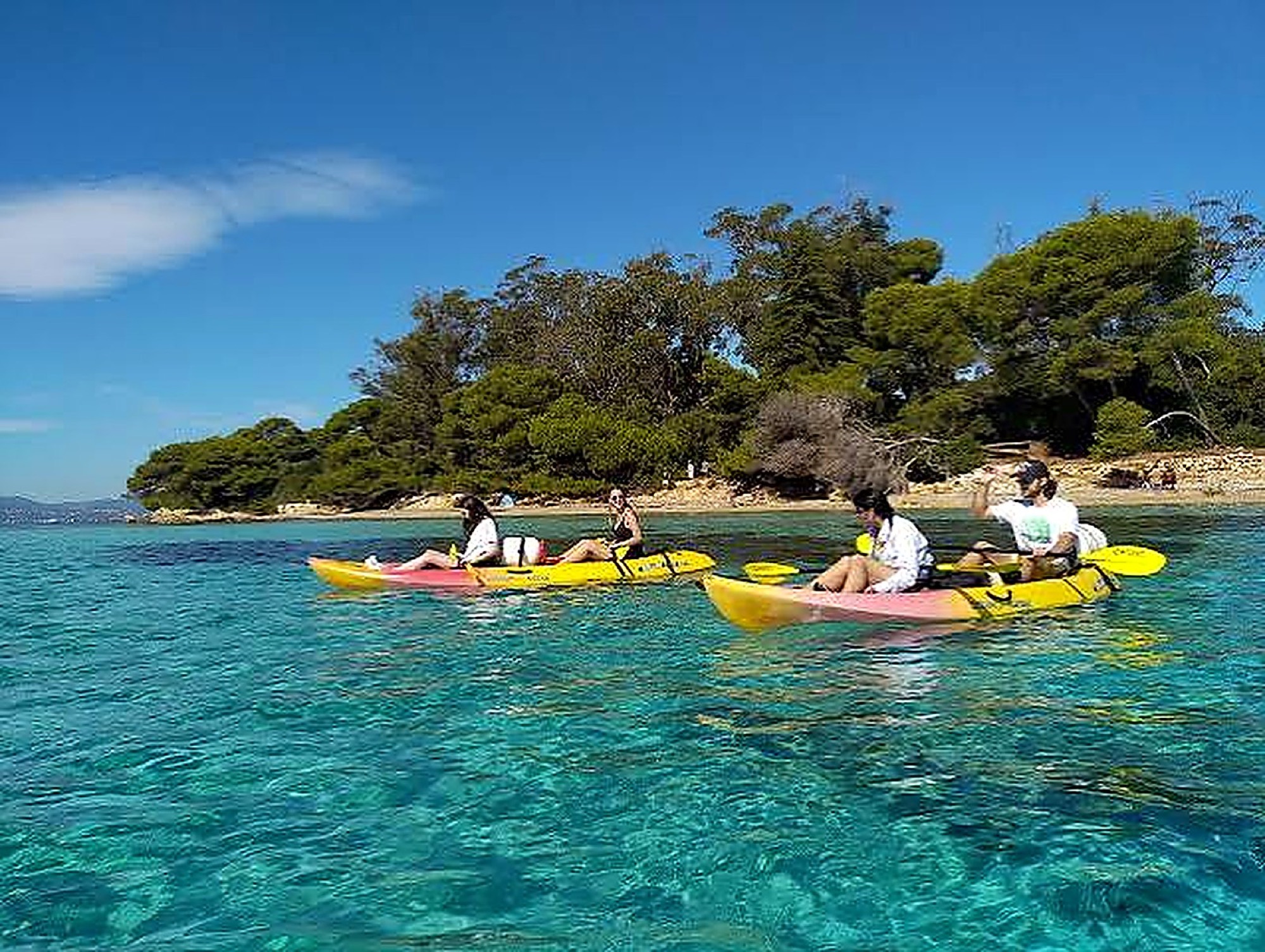
To venture beyond the bay to the coves of Cap d'Antibes, you're better off with a guide: read our article Kayaking Cap d'Antibes and Billionaires' Bay.
Snorkeling and diving around the Cape
The sandy floor of the bay has little marine life. To see fish, head for the rocks of Cap d'Antibes, where seagrass meadows, boulder fields and small drop-offs alternate.
- For snorkeling, the tourist office recommends the little coves on the south and west sides of the Cape for mask, fins and snorkel; some are unsupervised. Swim with a marker buoy and don't stray off alone.
- To understand what you'll see, Posidonia – Espace Mer et Littoral, at the Batterie du Graillon (175 boulevard J.-F.-Kennedy), showcases Mediterranean habitats and species, offers a virtual dive, and runs outings combining kayaking and snorkeling .
- For scuba diving, several clubs are based between Juan-les-Pins, Antibes and Golfe-Juan. The sites around Cap d'Antibes and the Lérins Islands are the most famous in the area. Choose a federation-affiliated club and check the required certification levels.
Jet skis, towed inflatables and parasailing
In summer, bases between Juan-les-Pins and Golfe-Juan offer jet ski rides, towed inflatables and parasailing flights over the bay. Requirements (minimum age, boat license or license-free guided ride, duration) vary from one operator to another .
Two tips: book the day before in high season, and remember these activities are canceled as soon as the sea gets choppy. Parasailing usually takes place in the morning, when the wind is lightest [à confirmer avec le prestataire].
When and how to go
- Season: most bases open from May–June to September . Out of season the water stays pleasant into October, but there's less on offer.
- Time of day: mornings for paddleboarding, kayaking and snorkeling (calmer sea, clearer water); afternoons for towed activities.
- Gear: water shoes for the rocks of the Cape, mineral sunscreen, a UV rash guard and plenty of water.
- Weather: the mistral and easterly blows whip up the sea; check the marine forecast before you go. Our guide When to go kayaking on the French Riviera covers the best times of year.
Our partners in Juan-les-Pins
Frequently asked questions
Was waterskiing really invented in Juan-les-Pins?
Juan-les-Pins calls itself its birthplace: Léo Roman and Emil Petersen popularized the sport there in the early 1930s, and the first World Championships were held there in 1949. In the United States, the invention is credited to Ralph Samuelson, in 1922.
Can you rent a paddleboard in Juan-les-Pins?
Yes, several beaches and watersports bases rent them in season. Stay within the 300-meter zone and use the buoyed channels to head out and come back.
Where can I snorkel near Juan-les-Pins?
Around the rocks of Cap d'Antibes, starting from the Pointe du Croûton. The sandy bay of Juan itself has little marine life.
Do you need a license to ride a jet ski?
To ride solo, a boat license is generally required; some bases offer guided rides whose conditions vary .
Go kayaking with Azurkay
If you want to see Cap d'Antibes beyond the bay, our 4-hour guided tour sets off from Plage du Crouton, right next to Juan-les-Pins. By kayak, in a small group (16 people max) with state-certified instructors, you'll follow the coast all the way to Billionaires' Bay, with snorkeling and, for those who want it, jumps from the rocks of up to 15 m / 50 ft (see our guide to cliff jumping on the French Riviera). Price: €75. Details and booking on the Cap d'Antibes kayak tour page.