Cliff Jumping on the French Riviera: Where to Go Safely
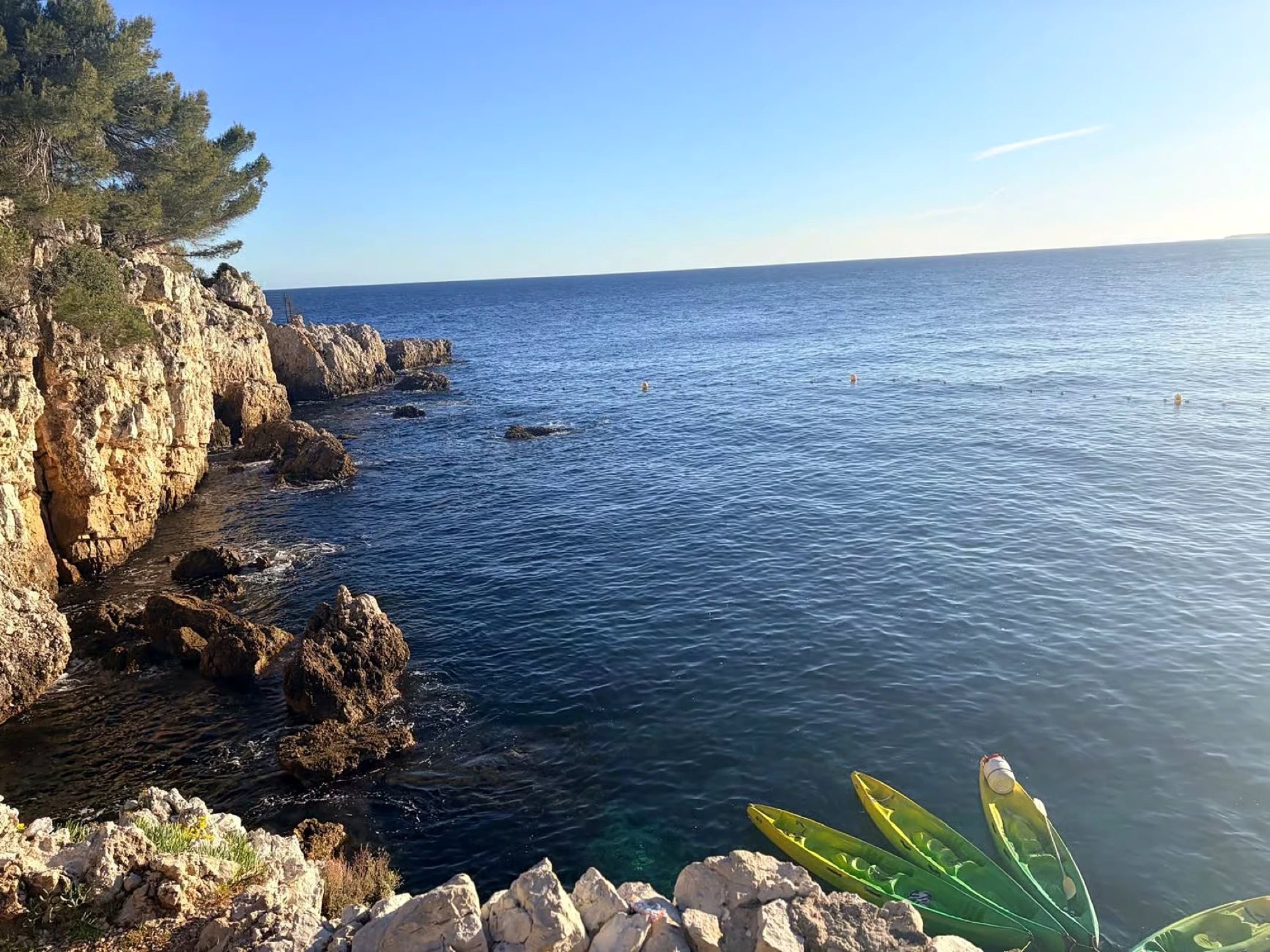
On the French Riviera, cliff jumping mostly happens off the limestone rocks of Cap d'Antibes, the Esterel or the bay of Villefranche, but no spot is "safe" by nature: depth, submerged rocks and swell change from one day to the next. The only sensible way to jump from any real height is with professionals who know the site and check the bottom first.
Leaping off a rock into crystal-clear water is one of the iconic images of a Mediterranean summer, but it's also a cause of serious accidents. Here's what you need to know before you jump.
What exactly is cliff jumping?
Cliff jumping means jumping off a cliff or rock into the water, usually feet first. It's different from "cliff diving", the head-first dive performed in competition by specialist athletes. For everyone else, the rule is simple: jump feet first, never head first from a rock.
This is no minor detail. A study cited by Le Quotidien du Médecin, covering ten years of diving accidents in the south of France, found that around 90% involved the cervical spine, with possible damage to the spinal cord.
The real risks: what emergency doctors say
Serious accidents aren't only about height. The most common causes are:
- Water that's too shallow, or misjudged. Clear water is deceptive: a bottom that looks far away can be just a few meters down.
- A submerged or shifted rock. A rockfall or a storm can change the seabed, so knowing a spot isn't enough, as the doctors interviewed by Informations Handicap point out.
- A bad entry. Hitting the water flat or at an angle from a great height can cause fractures, head injuries and, in severe cases, paraplegia or quadriplegia.
- Getting out of the water. Swell and slippery rocks often make the climb back out tricky.
- Peer pressure. Many accidents happen during spur-of-the-moment dares, egged on by friends.
Recent examples reported in the press: in August 2025, a young man was seriously injured after a botched jump from a rock about 8 meters high in La Ciotat, and Informations Handicap published the account of a young woman injured after jumping from a 15-meter rock in a cove in Saint-Raphaël in 2024. More broadly, Santé publique France (the French public health agency) flags the high number of drownings on the French coast every summer.
The rules: no single law, but local bans
There's no national legal framework specific to cliff jumping in France. It's the mayors, through their powers to regulate swimming, and the maritime prefect who set the rules.
- Municipal bylaws: since 2006, Marseille has banned jumping from the Corniche and other high points; local press reports a €150 fine and mediators deployed every summer.
- Ports, quays and breakwaters: in most towns, a bylaw bans swimming in harbor basins and near breakwaters. Jumping off a quay or jetty is therefore generally prohibited, and dangerous (boats passing).
- Marked swimming zones: in summer, boat channels and boat-only zones are off-limits to swimmers.
- Protected natural areas: much of the Riviera coastline is a Natura 2000 site. Don't damage the vegetation to reach a rock.
Before you jump anywhere, check with the local town hall or tourist office .
Well-known spots on the French Riviera
We deliberately don't publish heights or rock coordinates: conditions change, and an article is no substitute for checking on the spot.
Cap d'Antibes
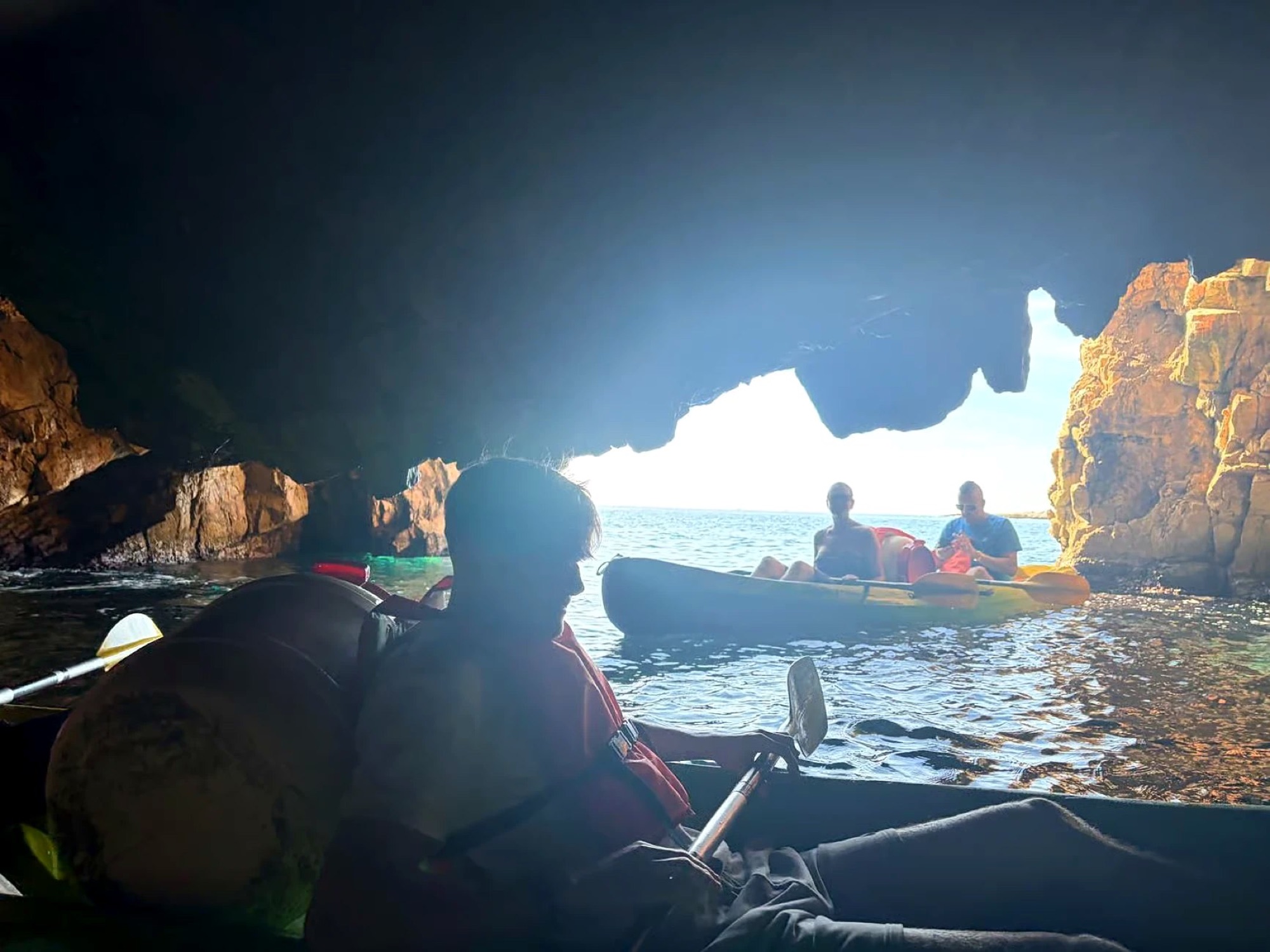
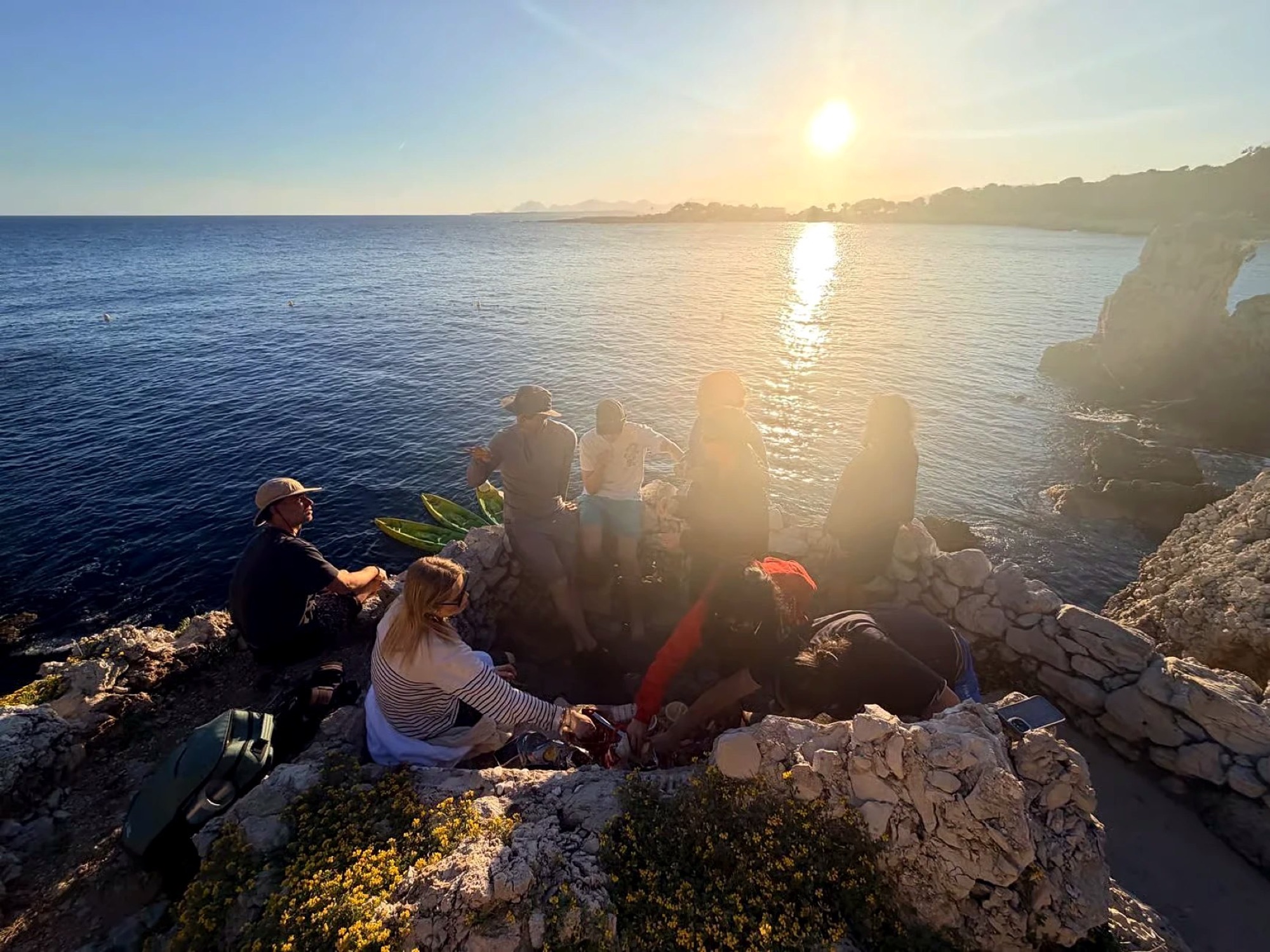
The coastal path (Sentier de Tire-Poil) runs past rocks that people "dive from in summer", according to the Antibes tourist office. It's also where guided kayak trips offer jumps. Note that the path closes in bad weather, and a section below Villa Eilenroc is closed for cliff-stabilization works. See our guide to the Cap d'Antibes coastal path.
The Esterel and Saint-Raphaël
The red rocks of the Esterel offer countless coves and rocky outcrops. It's also an area where serious accidents have been reported. Jumping there without knowing the seabed is particularly risky.
Villefranche Bay and Cap Ferrat
Community websites list jumps here, but they themselves point out that depths and access haven't been verified.
The golden rules if you jump
- Always check the bottom yourself, on the day, with a mask and snorkel, exactly where you'll land and all around it.
- Start low: 2 or 3 meters first, then work your way up gradually if all goes well.
- Feet first, core tight, arms by your sides, never head first.
- Never alone: someone in the water, someone at the top.
- No alcohol, no jumping in rough seas, and no jumping when boats or swimmers are passing.
- Work out your exit before you jump.
- Say no to the dare if you're not sure.
The safest option is still to jump with instructors: they choose the rock according to the day's swell, check the landing zone and coach you through the jump. To pick the best time of year, see also When to go kayaking on the French Riviera.
Our partners in Antibes
Frequently asked questions
Is cliff jumping allowed on the French Riviera?
It isn't banned across the board, but many local bylaws prohibit swimming and jumping in ports, from quays and breakwaters, or in certain areas. Check with the relevant town hall.
How deep does the water need to be to jump off a rock?
There's no reliable universal figure for jumps from sea rocks: the depth you need increases with height, and the seabed can change. Always check the landing zone with a mask, and opt for professional supervision for jumps of more than a few meters.
Can kids go cliff jumping?
Only from very low jumps, into water whose depth has been checked, under the direct supervision of an adult in the water. Age requirements for guided outings vary by operator .
What's the best season for cliff jumping?
From late spring to early fall, avoiding days with swell or strong wind.
Kayaking with Azurkay
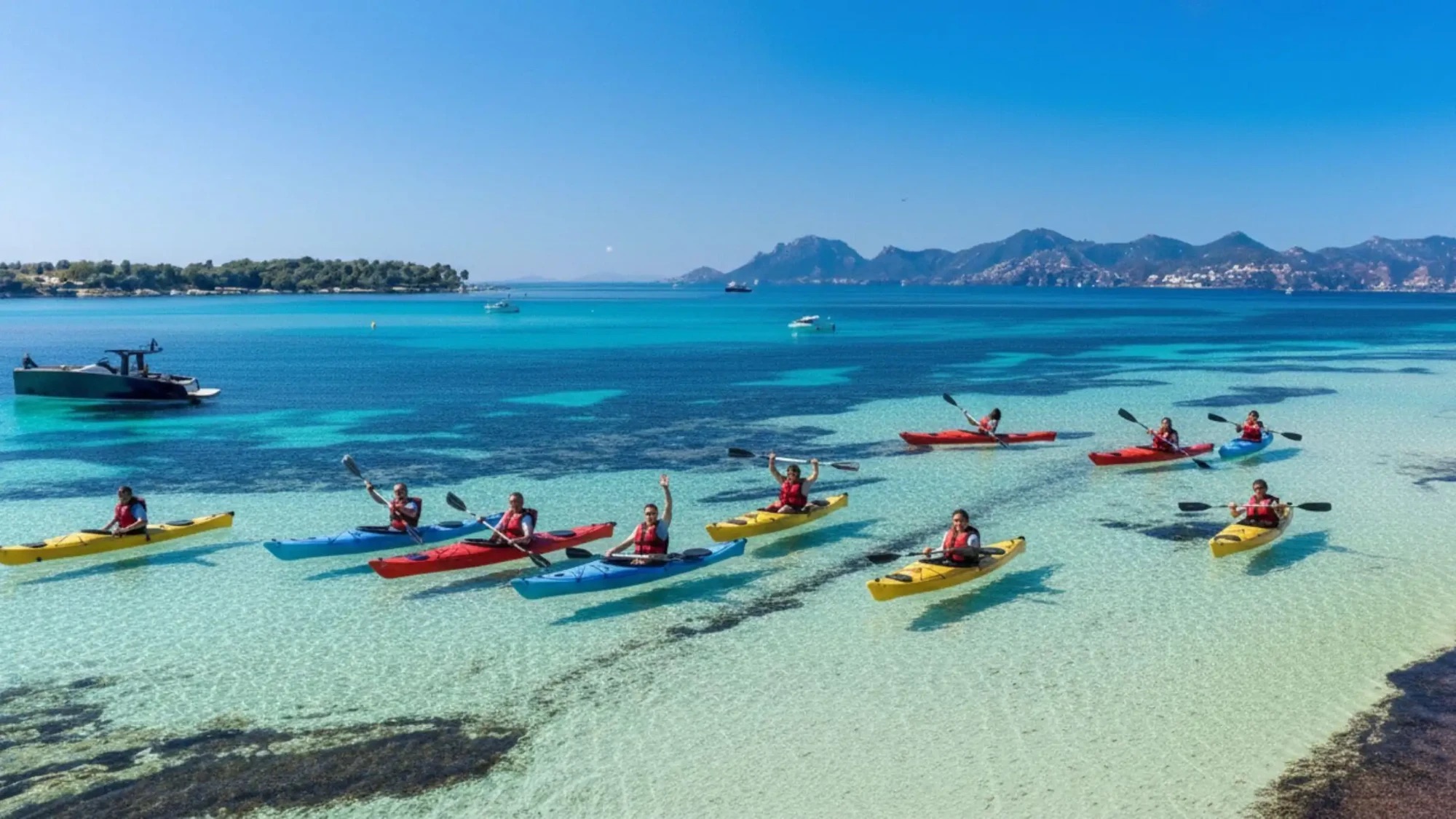
If you're tempted to jump, do it in a controlled setting. On our 4-hour guided tour of Cap d'Antibes, departing from Plage du Crouton, our state-certified instructors offer jumps from the rocks, up to 15 m for the most experienced, always optional and adapted to the day's conditions. Snorkeling and Billionaires' Bay are on the program, in groups of 16 people max, for €75. Details on the Cap d'Antibes kayak tour page.