Old Antibes: What to See, from the Picasso Museum to Fort Carré
In Old Antibes, don't miss the Picasso Museum in Château Grimaldi (closed on Mondays), the cathedral next door, the ramparts along the Promenade Amiral de Grasse, the Safranier quarter and the Provençal market on Cours Masséna. Round it off with Jaume Plensa's Nomade at Port Vauban and Fort Carré.
You can see Old Antibes on foot in half a day, but it's best savoured at a leisurely pace. Its narrow lanes, squeezed between the ramparts and the sea, still have a real neighbourhood feel, especially in the morning. Here are the places to see, in a logical walking order.
The Picasso Museum in Château Grimaldi
This is the cultural heart of the old town. Château Grimaldi, perched on the ramparts (place Mariéjol), served as Pablo Picasso's studio from mid-September to mid-November 1946. He left behind 23 paintings and 44 drawings, including the mural "Les Clés d'Antibes" (The Keys of Antibes). The museum also holds 78 ceramics made in 1947–1948 at the Madoura workshop in Vallauris.
The collections go beyond Picasso:
- Nicolas de Staël, with works from his time in Antibes (1954–1955), not always on display: call ahead if he's the reason you're coming;
- Hans Hartung and Anna-Eva Bergman, with two rooms on the ground floor;
- a sea-facing terrace with sculptures by Germaine Richier, as well as works by Joan Miró, among others.
Practical information
- Closed on Mondays all year round.
- Published 2026 hours: Tuesday to Sunday, 10am–1pm and 2pm–6pm; from 15 June to 15 September, 10am–6pm without a break .
- Combined ticket: €15, valid for 7 consecutive days for the municipal museums and Fort Carré. Single ticket: .
- Free admission for two weeks a year (early November and early February), according to the official listing .
- Wheelchair accessible; two wheelchairs can be borrowed on site. The area is pedestrianised: the nearest car park (Pré aux Pêcheurs) is about 400 m away.
Allow 1 to 1.5 hours, ideally right at opening time.
The cathedral and the surrounding lanes
A stone's throw from the museum, the former Notre-Dame-de-l'Immaculée-Conception cathedral is a reminder that Antibes was the seat of a bishopric until the 13th century. Its façade, damaged by a bombardment in 1746, has been restored. Entry is free.
All around, let the cobbled lanes, ochre façades and vaulted passageways guide you. In the morning, when the shutters open and the deliveries arrive, the neighbourhood is at its most authentic.
The Safranier quarter
At the far end of the old town, on the sea side, Le Safranier is a little neighbourhood of flower-filled houses and stone staircases. A local quirk: in 1966 it declared itself a "free commune", with its own mayor and festival committee. Wander around place du Safranier and the rue du Haut Castelet and rue du Bas Castelet.
The ramparts and the Promenade Amiral de Grasse
On the sea side, the ramparts form a long open-air promenade from Port Vauban to the Bastion Saint-André. It's free to access all year round and dotted with viewpoints over the sea and the bay.
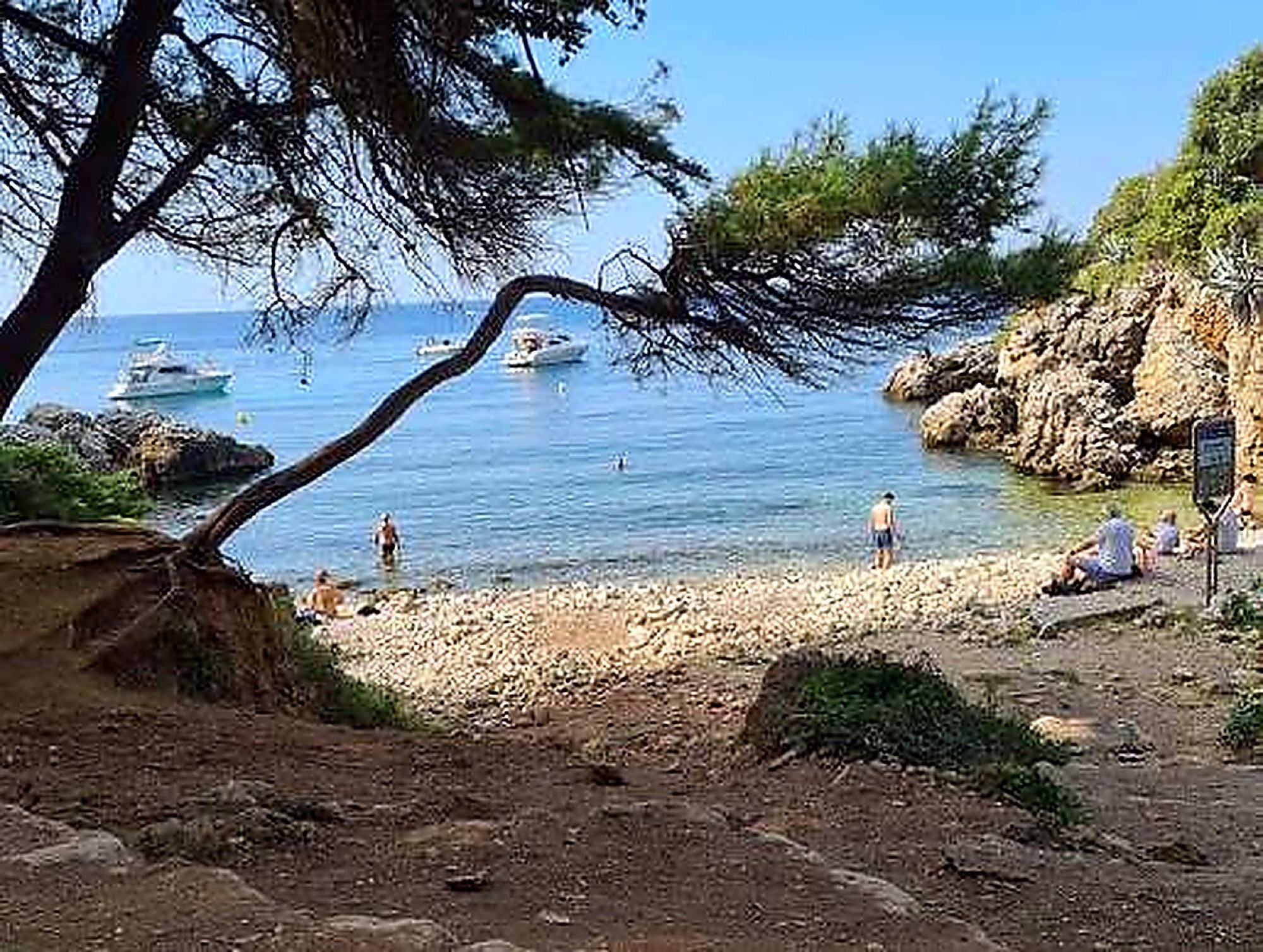
Access: the climb up to the ramparts is steep; wheelchair access is only possible with assistance. Just below, on the port side, the small sandy Plage de la Gravette is perfect for a quick swim right in the centre.
The Provençal market on Cours Masséna
Under the covered market hall on Cours Masséna, the Provençal market runs from 7:30am to 1pm (until 1:45pm from June to August), every day except Mondays from September to May. In the afternoon, the same hall hosts a craft market (painters, sculptors, ceramicists), from Friday to Sunday out of season and from Thursday to Sunday in summer .
Port Vauban, Nomade and Fort Carré
Jaume Plensa's Nomade
On the Bastion Saint-Jaume, at the entrance to Port Vauban, Nomade by Catalan artist Jaume Plensa is a seated figure about 8 metres tall, made entirely of letters. First shown in 2007, it has been permanently installed since 2010. Free access . As night falls, the lighting turns it into a glowing sentinel.
Fort Carré
On the other side of the port, Fort Carré, built under Henri II, is one of the earliest Renaissance fortresses. Its rampart walk overlooks the sea, and it's surrounded by 4 hectares of protected gardens. It's closed on Mondays, as well as on 1 January, 1 May, 1 November and 25 December, and may close without notice in bad weather. Full price in 2026: €5, or included in the combined ticket . Booking is recommended on 04 92 90 52 13.
For a full day out, combine this visit with Cap d'Antibes: see What to do in Antibes in one day.
Our partners in Antibes
Frequently asked questions
How long do you need to visit Old Antibes?
Allow half a day for the old town, the Picasso Museum and the ramparts, plus an extra hour for Fort Carré.
What day is the Picasso Museum in Antibes closed?
Mondays, all year round, as well as some public holidays. Check the day's opening hours on the official website.
Is there a combined ticket for the Antibes museums?
Yes: a €15 combined ticket, valid for 7 consecutive days, gives access to the municipal museums and Fort Carré.
Where can you park to visit Old Antibes?
The old town is pedestrianised. The Pré aux Pêcheurs and port car parks are the closest . The easiest option is still the train: the station is less than ten minutes' walk away.
Kayaking with Azurkay
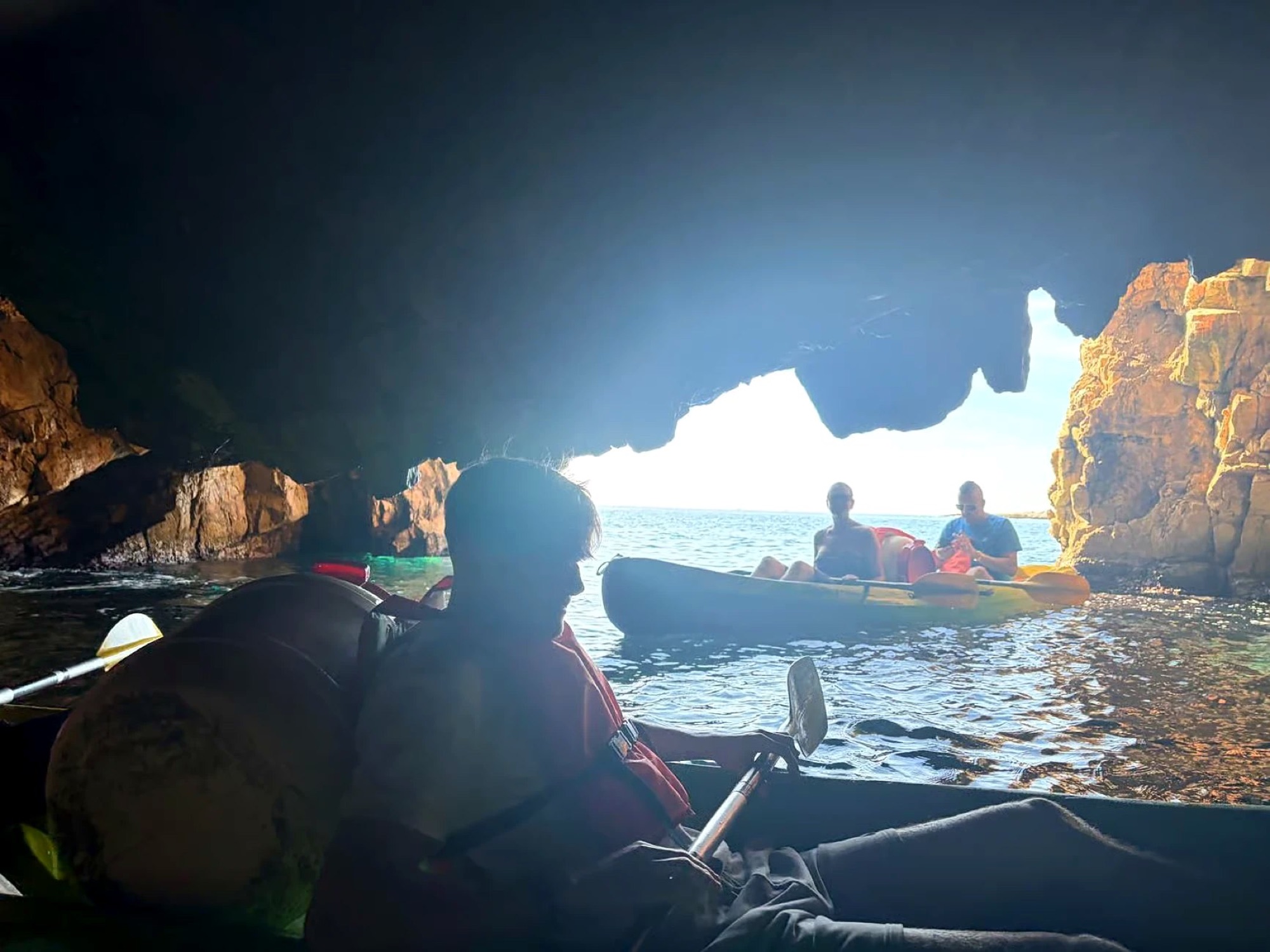
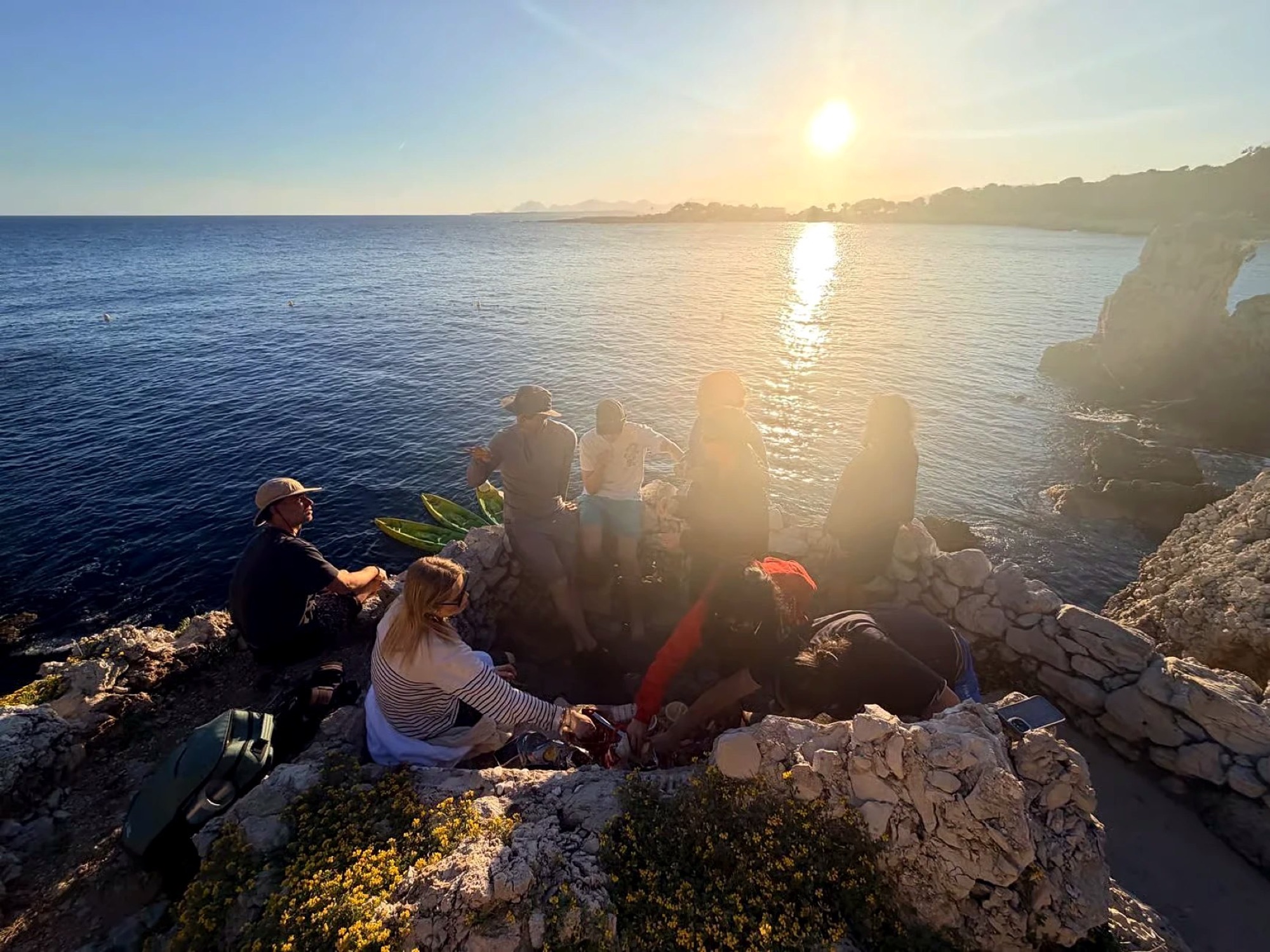
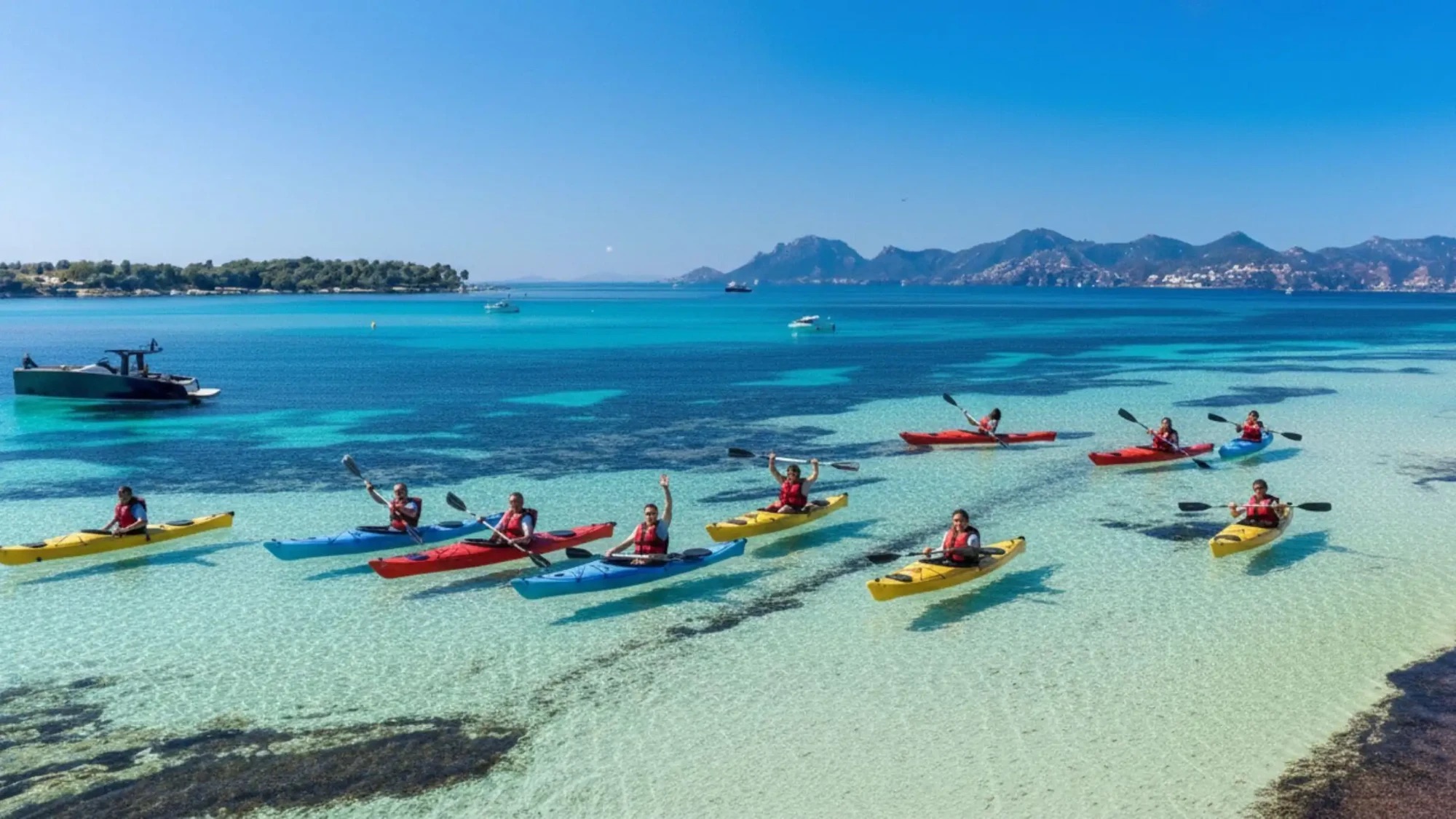
After the ramparts, discover the coast from the water. Our 4-hour guided tour leaves from Plage du Crouton and follows Cap d'Antibes to Billionaires' Bay, with snorkelling and supervised jumps from the rocks (up to 15 m, optional). Small groups of 16 people maximum, state-qualified instructors, €75 per person. All the details are on the Cap d'Antibes kayak tour page.