Things to Do in Fréjus: A One-Day Itinerary
With one day in Fréjus, start with the Old Town and the cathedral cloister, move on to the Roman ruins (amphitheater, Lanterne d'Auguste, aqueduct), then finish by the water at Fréjus-Plage or the Villepey ponds. If you have a car or a bike, the Hông-Hiên Pagoda is well worth the detour.
Fréjus often gets rushed through on the way between Saint-Tropez and Cannes. That's a shame: the town has kept a tightly packed historic core, Roman monuments scattered across its neighborhoods and a varied coastline, from the sand of Fréjus-Plage to the coves of Saint-Aygulf. Here's a realistic day, most of it doable on foot.
Morning: the Old Town and the episcopal complex
Start early in the historic center, perched on its hill above the Argens plain. On Wednesday and Saturday mornings, the Provençal market sets up in the streets and squares of the center, around place Formigé . It's the perfect time to pick up picnic supplies for later.
On the same square stands Saint-Léonce Cathedral, which together with its baptistery and cloister forms the episcopal complex. The cloister is open to the public through the Centre des monuments nationaux. People come for two things: the baptistery, described as one of the oldest in France, and the cloister's painted ceiling, dating from the 13th century and covered in a remarkable bestiary. Tickets are listed at €7, free for under-26s subject to conditions ; opening hours change with the season, so check the cloister's website before you go.
Allow a good hour for the cloister, then wander the narrow streets: rue Jean-Jaurès, home to the tourist office (Le Florus II, at no. 249), and the small shady squares.
Late morning: Roman Fréjus, the short version
Fréjus is the ancient Forum Julii, and its ruins are scattered around the center. You can't see everything in one day, so focus on three sites.
- The amphitheater (les Arènes), on rue Henri-Vadon, about a ten-minute walk west of the center [durée de marche indicative]. It's closed on certain days, including Mondays .
- The Lanterne d'Auguste, on chemin de la Lanterne d'Auguste, free to visit. This hexagonal tower, about ten meters tall, served as a landmark for sailors entering the ancient harbor, which has since silted up and now lies inland.
- The aqueduct arches, on avenue du XVe-Corps, which you can see freely from the street.
For details on each site and guided tours, see our article Roman Fréjus: the ancient sites to visit.
Lunch: picnic or café terrace
Two options. Either stay in the historic center, where café terraces cluster around the squares. Or head down to the sea (about 2 km between the Old Town and the seafront [distance indicative]) and have lunch at Port-Fréjus, the modern marina next to the beach. In summer, look for shade: the heat on the hill can be intense in the early afternoon.
Afternoon: pagoda, beach or nature
Culture option: the Hông-Hiên Pagoda and the Memorial
North of town, on avenue du Général-d'Armée-Jean-Calliès, the Hông-Hiên Pagoda is a Buddhist temple set in wooded grounds. Built in 1917 by soldiers from the Asian colonial troops and inaugurated in 1919, it was saved by Vietnamese refugees from 1954 onward. Tourist office listings give daily opening hours of 9:30am to 6pm and free entry . Right next door, the Memorial to the Wars in Indochina, inaugurated in 1993, honors the soldiers who died in Indochina between 1940 and 1954 . Both sites are away from the center, so plan on a car, a bike or a bus.
Beach option: Fréjus-Plage
The Fréjus-Plage seafront offers about 1 km of sand, alternating between public and private beaches, with views of the port of Saint-Raphaël. A lifeguard station watches over swimmers in season. To pick the beach that suits you, read the best beaches in Fréjus.
Nature option: the Villepey ponds
Over toward Saint-Aygulf, the Étangs de Villepey (Villepey ponds) are a natural area acquired by the Conservatoire du littoral and managed by the town of Fréjus. An interpretive trail leads to an observation hide where you can watch for birds. The best times for birdwatching are the migration seasons, in spring and late summer. Some sections may be closed in summer .
Practical tips
- Getting there without a car: Fréjus station is served by TER regional trains on the Marseille–Ventimiglia line, and Saint-Raphaël is right next door. The historic center is easy on foot; for the pagoda or Saint-Aygulf, take the local bus .
- Footwear: the narrow streets are cobbled and sloping, and the Roman sites are partly on packed earth. Light closed-toe shoes are all you need.
- Water and a hat: essential from June to September, especially between the Roman sites, which have little shade.
- Tickets: a municipal pass covers several Roman sites and town museums .
Our partners in Fréjus
Frequently asked questions
Is one day enough to visit Fréjus?
Yes, for the highlights: the Old Town, the cloister and two or three Roman sites, then the end of the day by the water. For the pagoda, Saint-Aygulf and the Villepey ponds, a second day makes things more relaxed.
Can you visit Fréjus on foot?
The historic center, the cloister, the amphitheater and the Lanterne d'Auguste are all within walking distance of each other. The beach is about 2 km from the center; the pagoda and Saint-Aygulf require transport.
What's the best day to visit?
Wednesday or Saturday morning, to enjoy the Provençal market. Avoid Mondays if you want to see the municipal monuments, which are often closed that day .
Is the Fréjus zoo still open?
No. The zoo closed its doors to the public for good on August 30, 2026.
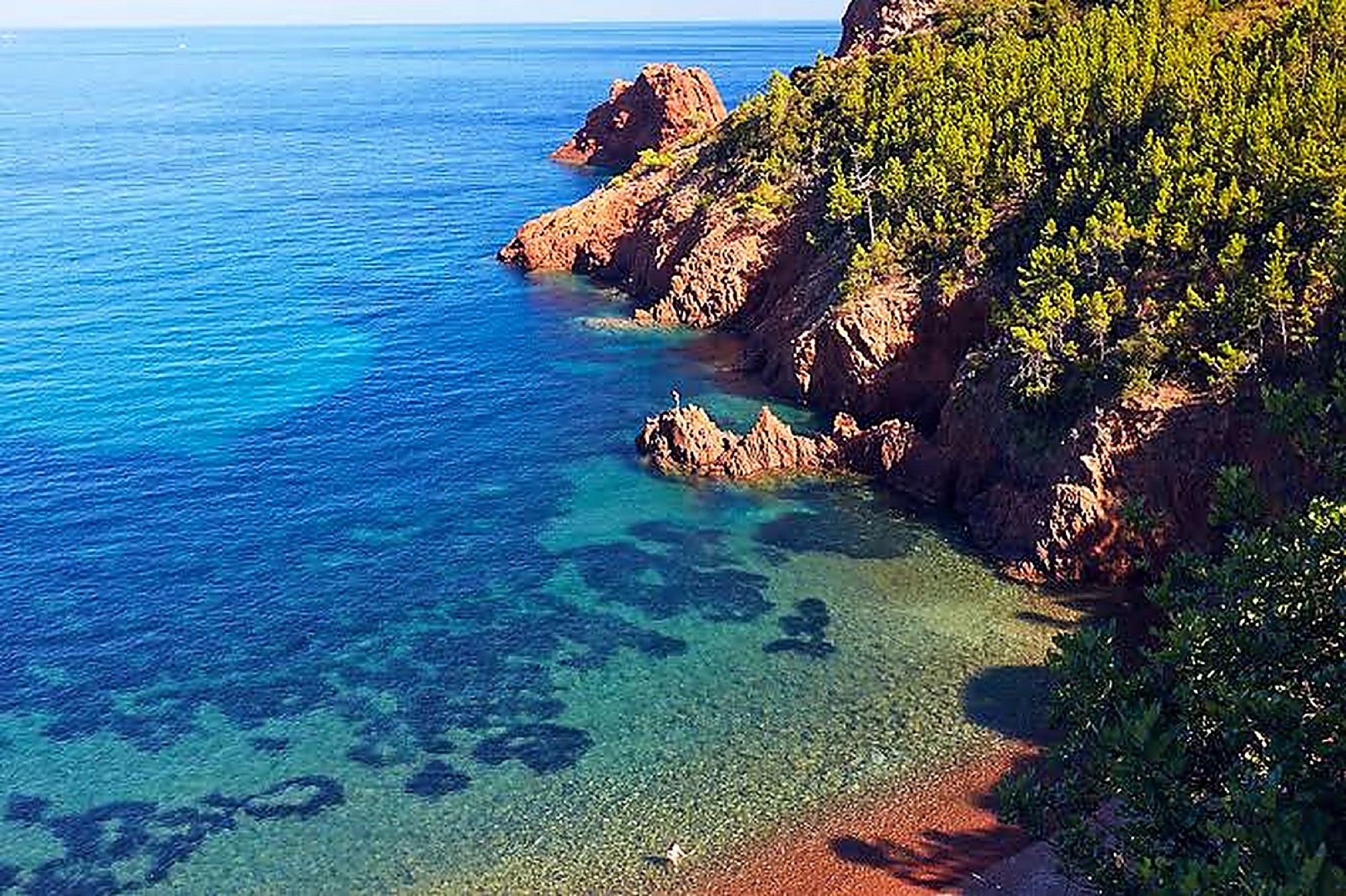
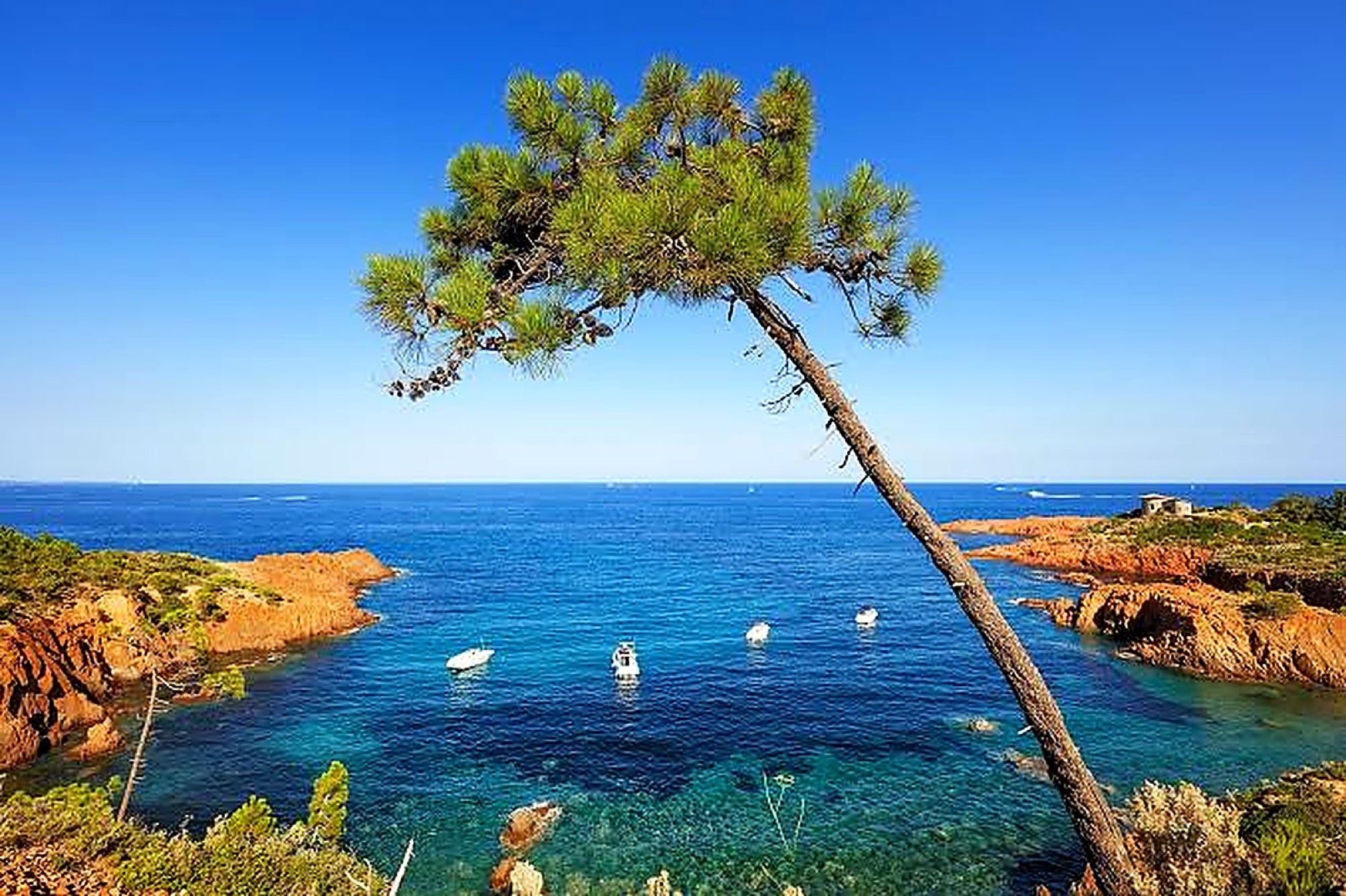
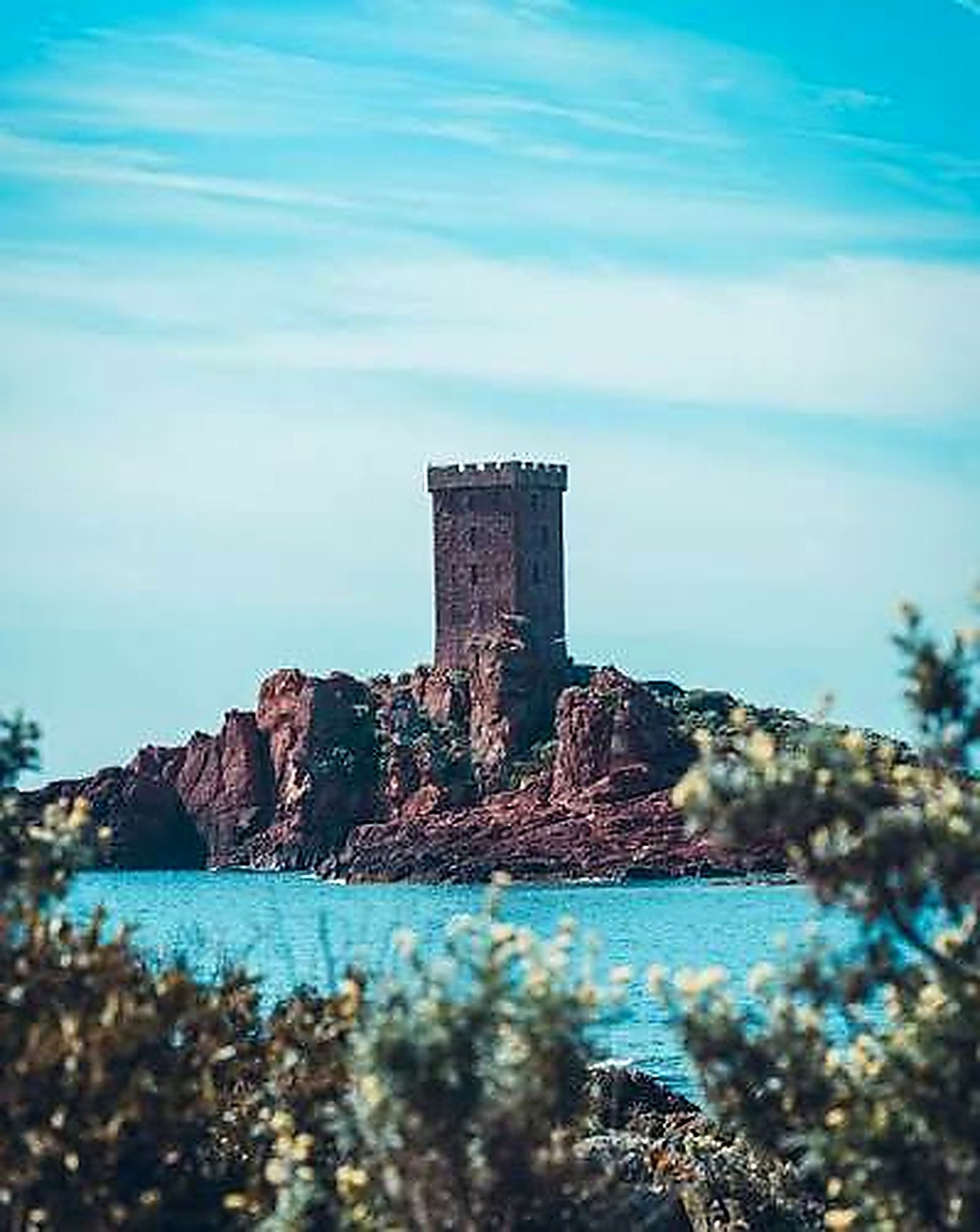
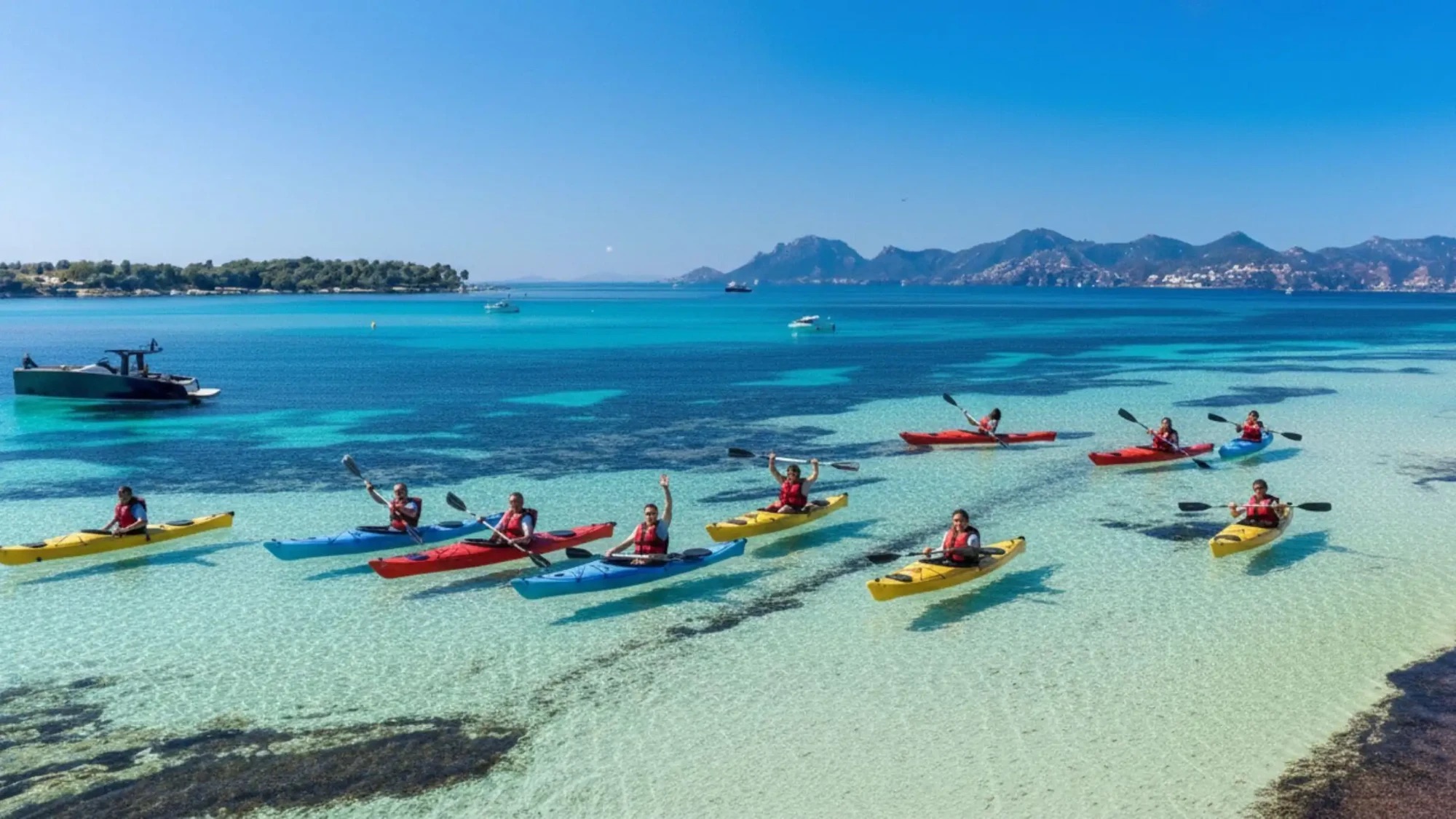
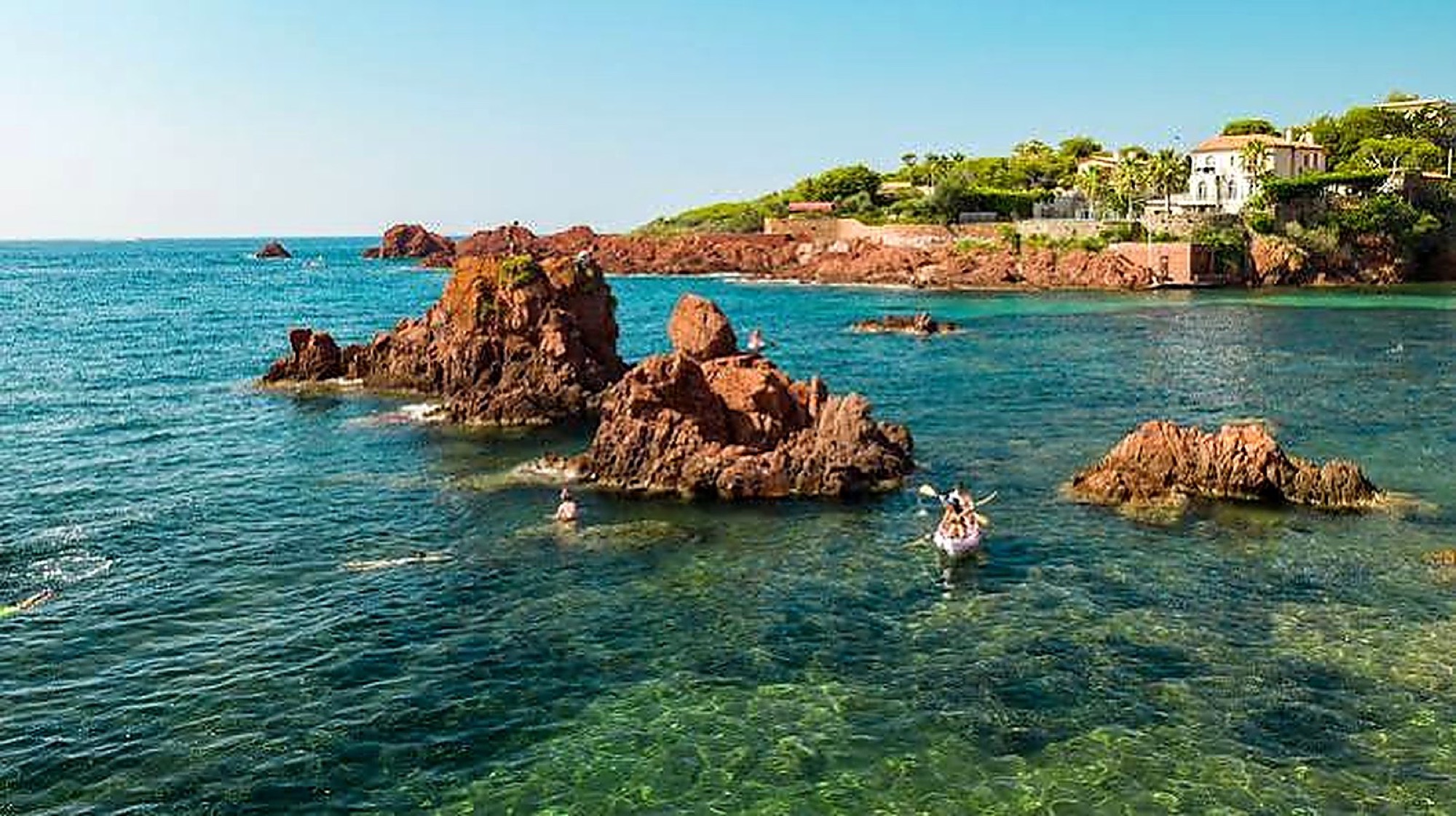
Kayaking with Azurkay
To see the coast from a different angle, the Esterel Massif and its red rocks are close by: our Esterel Massif kayak tour leaves from Théoule-sur-Mer, about 30 km from Fréjus via the Corniche d'Or . A 4-hour half-day in a small group, led by state-certified instructors, that pairs perfectly with a day spent among old stones.