Roman Fréjus: Which Ancient Sites to Visit?
The must-sees of ancient Fréjus are the amphitheater (rue Henri-Vadon), the Roman theater, the Lantern of Augustus that once marked the harbor entrance, the arches of the aqueduct and the Porte des Gaules. Allow half a day on foot for the main sites; the Lantern, the aqueduct and the Porte des Gaules are free to visit.
Fréjus was once Forum Julii, one of the great military ports of Roman Gaul. The modern town was built right on top of it, so the ruins pop up all over the place — squeezed between apartment blocks or beside a traffic circle. That's what makes a visit so endearing: it feels like a treasure hunt.
The Amphitheater (Les Arènes)
This is the most spectacular monument. Located on rue Henri-Vadon, west of the historic center, the amphitheater has been partly restored and now hosts shows in summer . It gives you a clear sense of how the tiered seating and entrances were laid out.
Practical info: there's an admission fee and the site is closed on certain days. According to the tourist office listing, it was open Tuesday to Saturday in early 2026, with a lunchtime break; summer hours are longer . Allow 30 to 45 minutes.
The Roman Theater
North of the center, on avenue du Théâtre-Romain, what survives is mostly the footprint and foundations: the stone seating is gone, but modern stands allow concerts and festivals to be held here in summer . It's a quick visit — the real interest lies in picturing just how big the ancient town was.
Practical info: admission fee; closed on Mondays according to the town brochure. Opening hours differ from one source to another .
The Lantern of Augustus and the Vanished Harbor
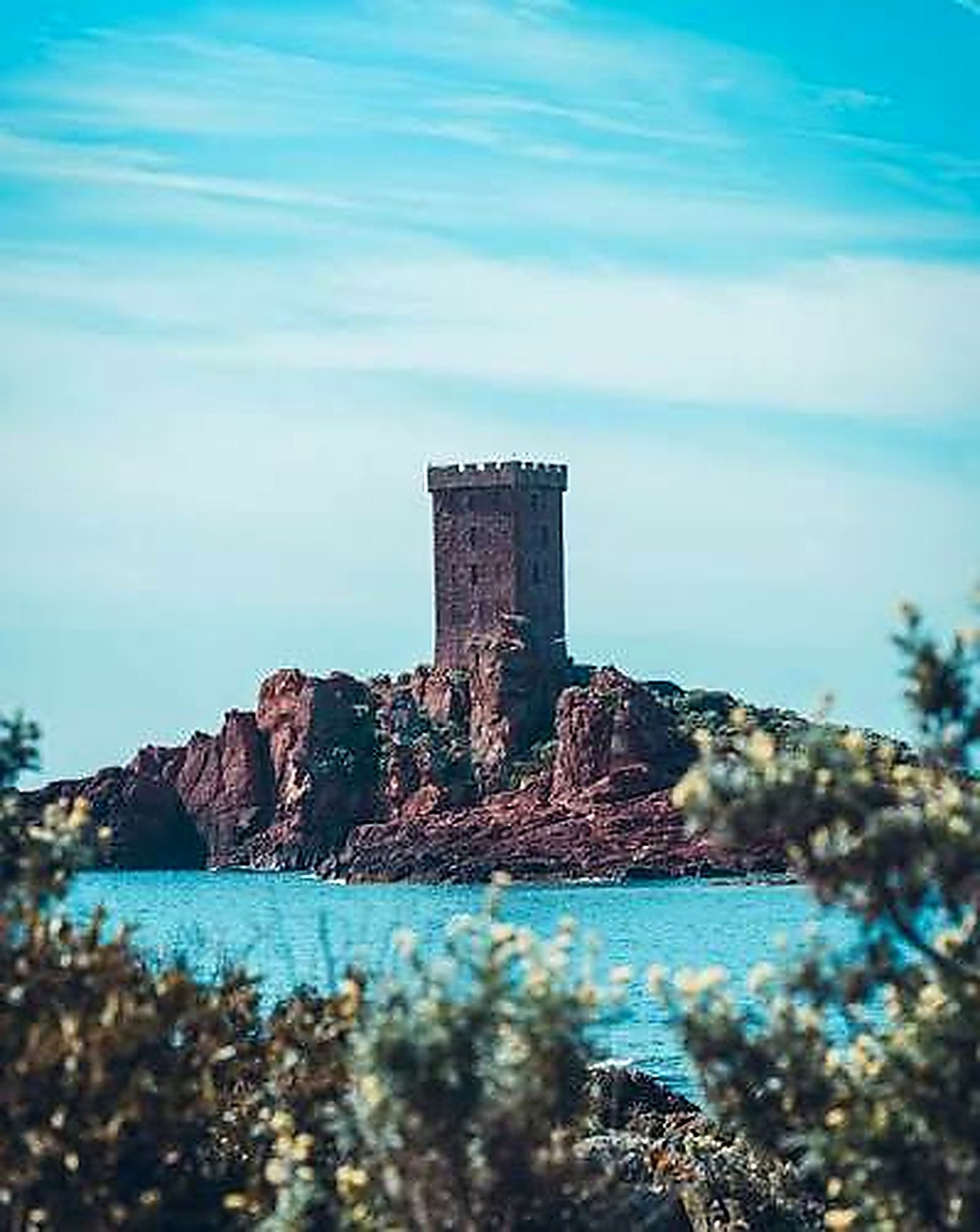
This is the most surprising site of all. On chemin de la Lanterne d'Auguste, in the middle of a residential neighborhood, stands a massive hexagonal tower about ten meters tall, topped with a six-sided pyramid and with no staircase inside. It wasn't a lighthouse but a daymark — a landmark for sailors at the entrance to the ancient harbor.
Over the centuries the harbor silted up: today it lies inland, far from the current shoreline. Its remains have been listed as a historic monument since 1886. The name is said to come from the tradition that Augustus and his general Agrippa developed the port after the Battle of Actium (31 BC). The tower is built from small blocks of brown Esterel sandstone. Free access all year round.
The Aqueduct, the Ramparts and the Porte des Gaules
The Aqueduct
The easiest arches to see are on avenue du XVe-Corps-d'Armée, free to visit. The aqueduct carried water to the town over more than 40 km (25 miles), largely underground — the visible arches are only a small section of it. Other stretches survive outside the center, such as the Sénéquier arches on the road to Malpasset (D37), about 6 km away.
The Porte des Gaules and the Ramparts
On rue Jacques-Pinelli, the Porte des Gaules is one of two surviving Roman gates, along with the Porte de Rome. It was part of the Roman wall that encircled the town. Free access.
The Episcopal Complex: Where Antiquity Meets the Middle Ages
Strictly speaking it isn't a Roman site, but it rounds off the visit perfectly. In the historic center, the episcopal complex brings together Saint-Léonce Cathedral, the cloister and the baptistery, which the Centre des Monuments Nationaux describes as one of the oldest in France. The cloister's 13th-century painted ceiling is the other treasure here. Tickets are listed at €7 .
Planning Your Visit
A Walking Route
- Morning: the episcopal complex in the historic center.
- The Porte des Gaules and ramparts, west of the old town.
- The amphitheater, rue Henri-Vadon.
- Afternoon: the Lantern of Augustus, then the Roman theater and the aqueduct arches to the north.
Distances are short, but the sites are spread out and there's little shade: set off early and bring water, a hat and good shoes. If you're arriving by train, Fréjus station is close to the center.
Tickets and Passes
The town offers a pass covering several sites (amphitheater, theater, museums) . The cloister, run by the French state, has its own ticket office.
Guided Tour
The tourist office runs a "Fréjus, Roman Town" guided tour that takes in the amphitheater, the theater, the aqueduct and the Porte des Gaules . It's the best way to make sense of the layout of Forum Julii, which is hard to read on your own.
Our partners in Fréjus
Frequently asked questions
How long does it take to visit Roman Fréjus?
Half a day is enough for the amphitheater, the Lantern of Augustus, the aqueduct and the Porte des Gaules. Add an hour for the cloister and another for the theater.
Which sites are free?
The Lantern of Augustus, the aqueduct arches and the Porte des Gaules are free to visit. The amphitheater, the Roman theater and the cloister charge admission.
Are the sites open on Mondays?
Town-run sites are generally closed on Mondays . Check with the tourist office before planning your day.
Is it a good visit for kids?
Yes, especially the amphitheater, where children can imagine themselves as ancient Roman spectators. For more family outing ideas, see things to do in Fréjus with kids.
Go Kayaking with Azurkay
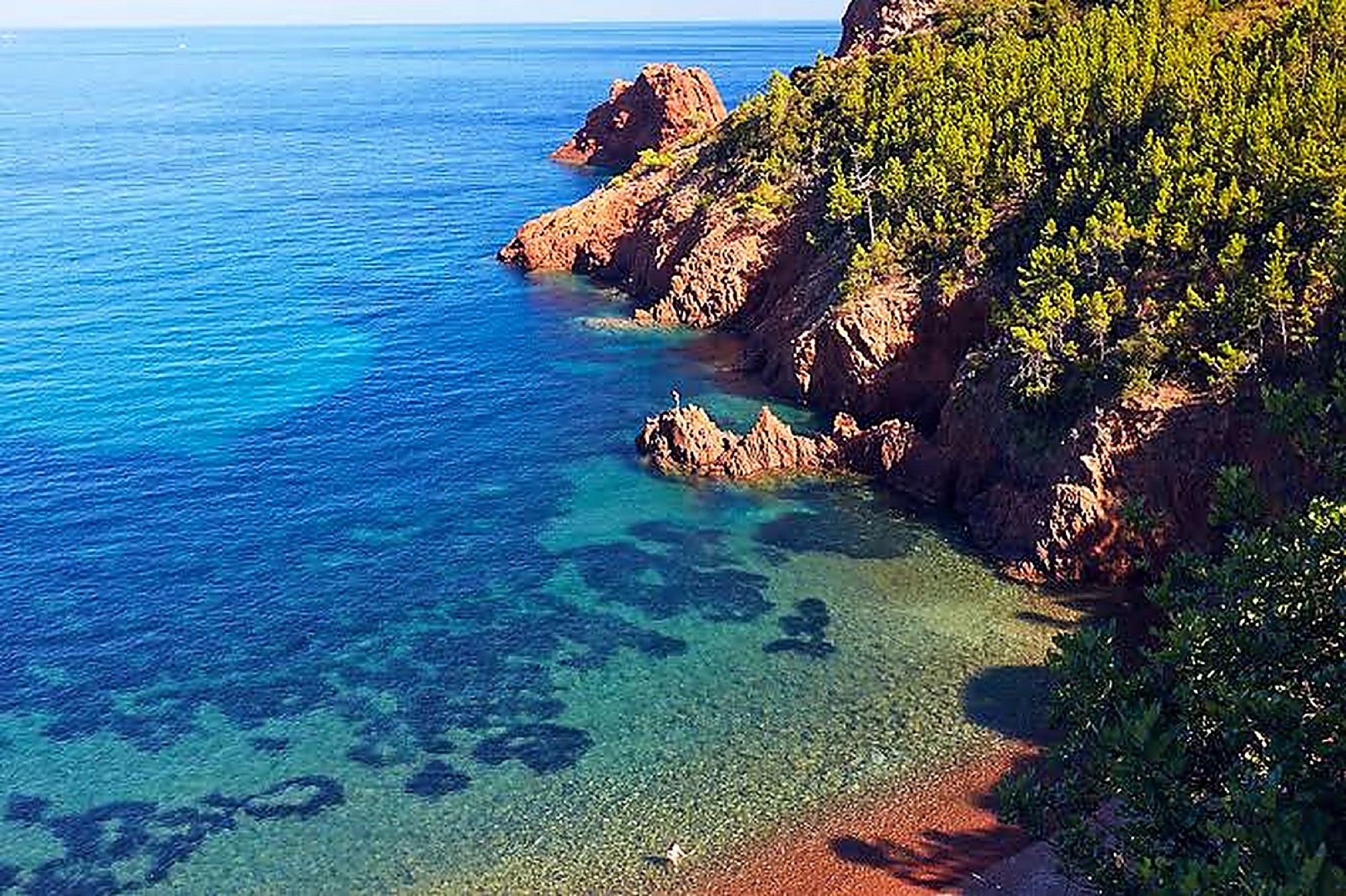
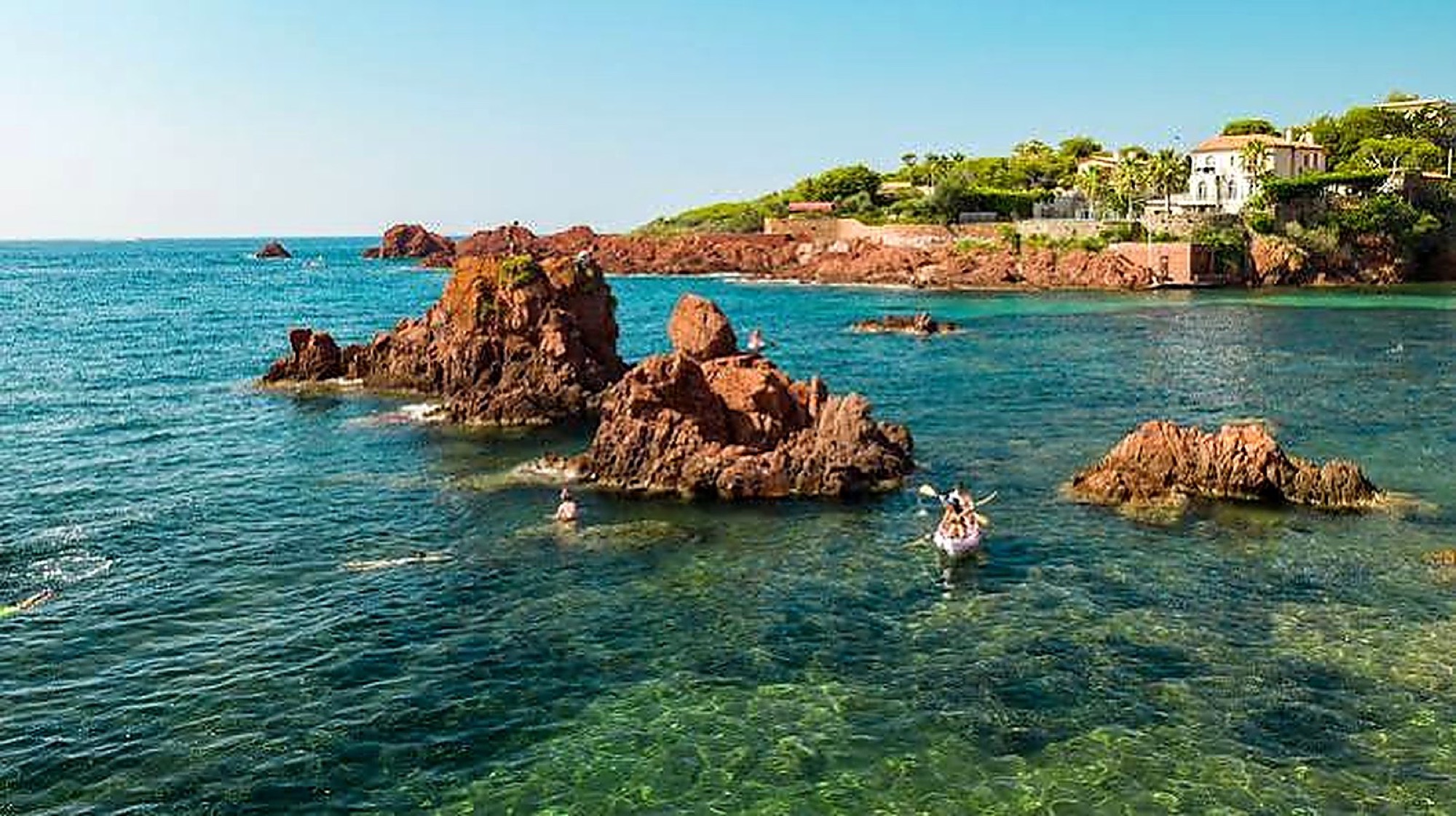
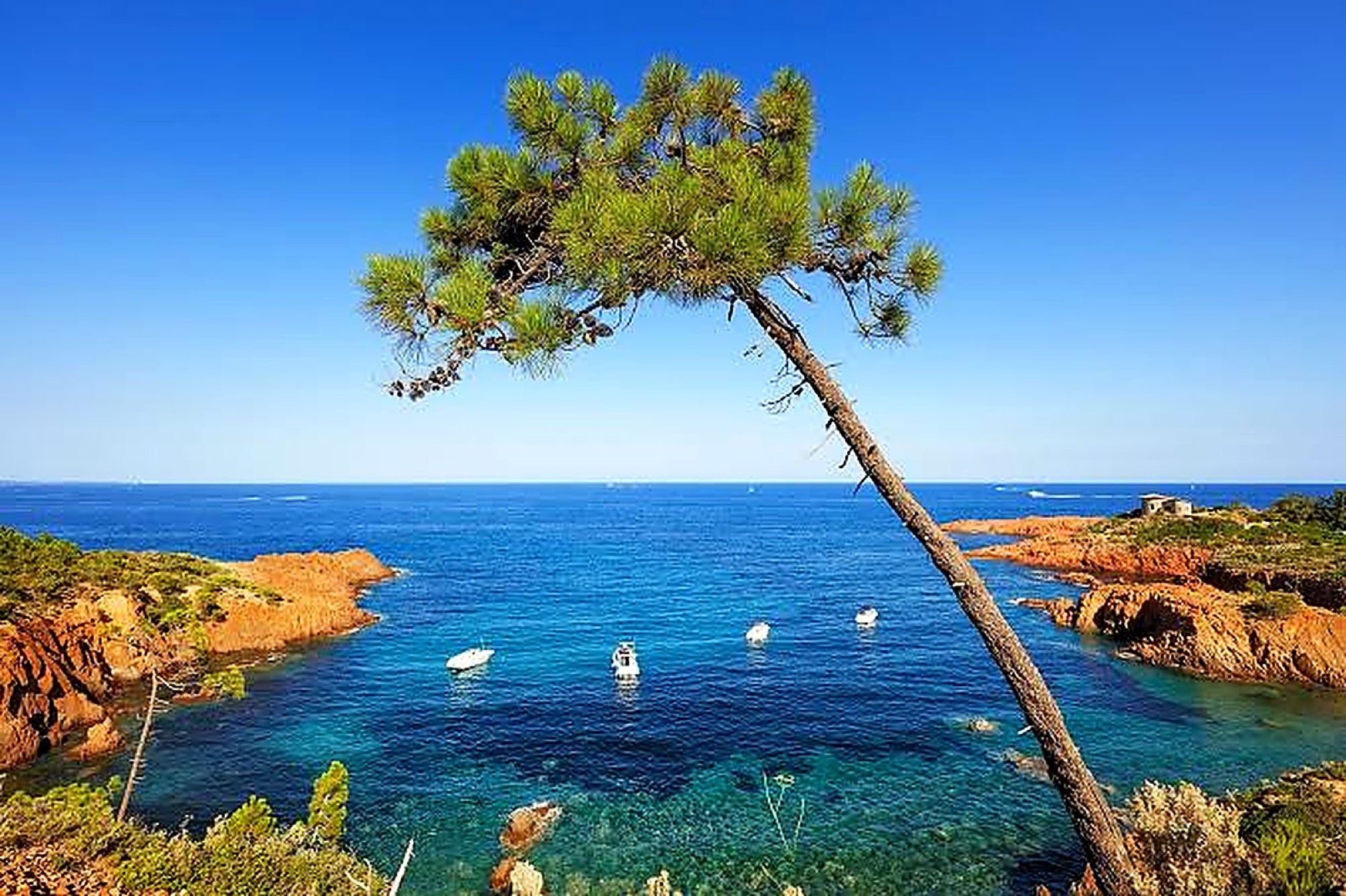
The brown sandstone of the Lantern of Augustus comes from the Esterel, and the best way to understand this massif is from the sea. Our Esterel Massif kayak tour sets off from Théoule-sur-Mer, about 30 km from Fréjus along the Corniche d'Or : 4 hours paddling beneath the red rocks, in a small group, with state-certified instructors. To plan the rest of your stay, check out our itinerary what to do in Fréjus in a day.